Many people worry about health problems linked to products like talcum powder and vaccines such as Zostavax. Studies show these lawsuits connect to long-term issues like cancer and serious infections.
This blog explains what the lawsuits mean, who may be at risk, and how you can protect your rights. Find out what steps you need to take next.
Key Takeaways
- Over 67,000 lawsuits accuse Johnson & Johnson of selling talcum powder products with asbestos, linking them to ovarian cancer and mesothelioma; courts awarded $4.69 billion in 2018 and $1.5 billion in December 2025 to victims.
- Internal documents show Johnson & Johnson knew about the risks but failed to warn consumers, leading to claims of corporate negligence; Multidistrict Litigation (MDL) helps manage these complex cases for fair settlements.
- Zostavax vaccine lawsuits target Merck & Co., claiming the vaccine caused shingles outbreaks, nerve damage, and autoimmune disorders due to lack of adequate warnings; the FDA updated “black box” labels twice since 2018 for safety.
- Recent court rulings upheld dismissals in many Zostavax claims because of non-compliance with PTO 426 rules; however, ongoing MDLs mean settlement projections are still evolving through 2025.
- Both product groups face legal action over failure to warn about long-term health dangers; individuals affected should gather medical records and seek experienced legal help for a higher chance at fair compensation.
Overview of Talcum Powder Lawsuits
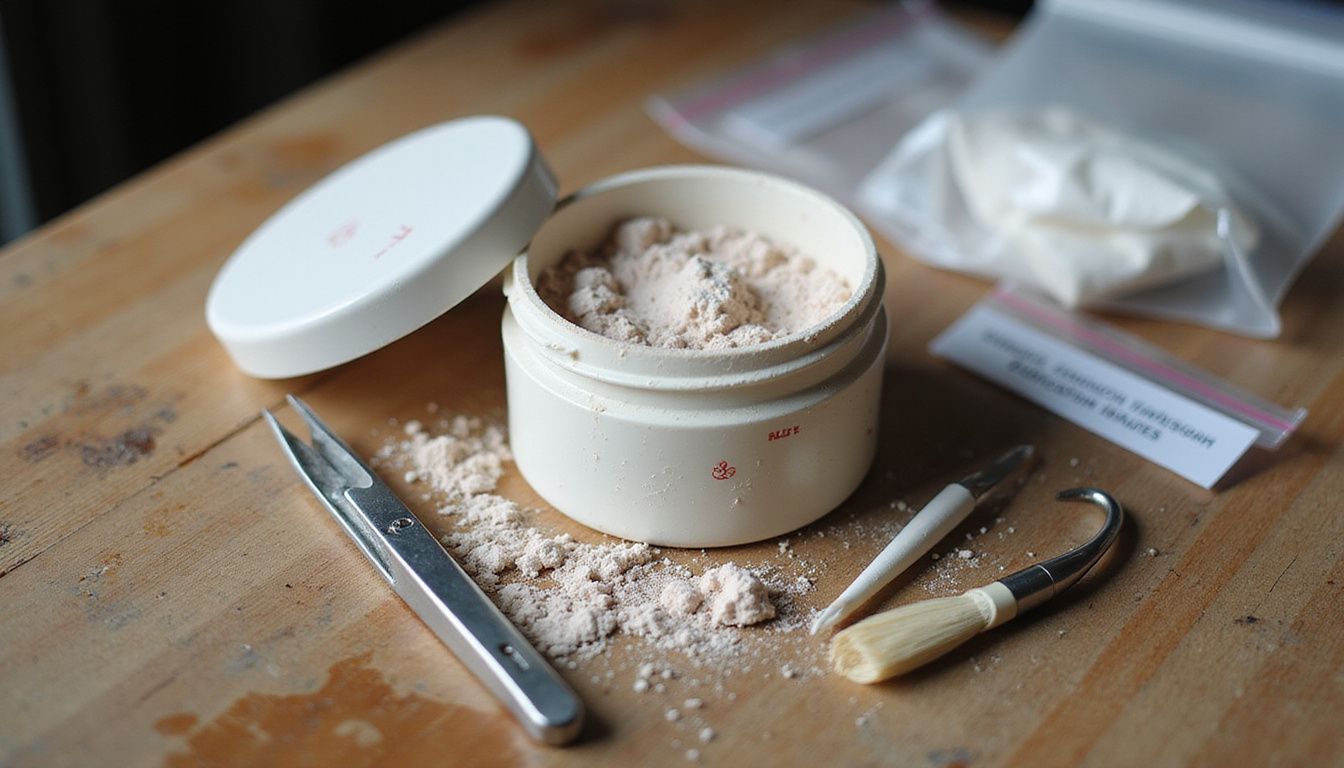
Talcum powder lawsuits have gained significant attention due to serious health allegations. Johnson & Johnson faces numerous claims regarding asbestos in its talc products, leading to increased scrutiny and legal action from affected consumers.
Johnson & Johnson’s Role in Talcum Powder Litigation
Johnson & Johnson faces over 67,000 lawsuits related to its talc-based products. Many plaintiffs allege links between these products and cancers such as ovarian cancer and mesothelioma, claiming serious health risks from asbestos contamination.
Courts ordered the company to pay significant damages, including $4.69 billion in 2018 and $1.5 billion in December 2025, after finding strong evidence of harm.
Legal claims accuse Johnson & Johnson of failing to warn consumers about the dangers tied to their talcum powder products. Internal documents presented during trials suggest awareness of these health risks but show inadequate consumer warnings or action by the company.
Multidistrict litigation (MDL) now helps streamline product liability cases against Johnson & Johnson for easier legal processing and compensation decisions.
The litigation emphasizes a ‘failure to warn’ by J&J regarding health risks associated with talcum powder.
Allegations of Asbestos Contamination in Talc Products
Thousands of lawsuits accuse Johnson & Johnson and other companies of selling talc products containing asbestos. Over 67,000 claims allege links between this contamination and serious diseases like ovarian cancer and mesothelioma.
In 2018, a landmark verdict awarded $4.69 billion against the company for failing to warn women about these health risks. Courts also delivered a $1.5 billion award in December 2025 to a woman who developed mesothelioma after using talc powder.
Experts confirm the dangers tied to trace amounts of asbestos found in some talcum powders. Medical studies support the link between asbestos exposure from contaminated talc and increased risk for both ovarian cancer and respiratory problems like mesothelioma.
Plaintiffs point out that internal documents show corporate negligence regarding consumer safety warnings about these risks. These allegations highlight ongoing concerns around liability, product testing, and responsibility within the cosmetic industry.
Connection Between Talcum Powder and Ovarian Cancer
After discussing asbestos contamination in talc products, attention shifted to the rising number of cancer claims. Lawsuits against Johnson & Johnson focus on the risk of ovarian cancer from long-term talcum powder use.
Over 67,000 lawsuits link these powders, sometimes contaminated with asbestos, to increased rates of ovarian cancer.
A landmark verdict in 2018 awarded $4.69 billion to 22 women diagnosed with ovarian cancer after using Johnson & Johnson’s talcum powder. Research shows a potential connection between regular talc use and higher chances of developing this type of cancer.
Internal company documents revealed that executives knew their products might contain asbestos, yet failed to warn consumers about possible risks or contamination concerns. These facts drive ongoing legal battles and highlight growing concern for consumer safety regarding everyday cosmetic products.
Internal Documents Revealing Corporate Negligence
Internal documents reveal that Johnson & Johnson knew about the asbestos contamination in their talcum powder products. This negligence poses serious health risks to consumers. Lawsuits allege that the company failed to warn users about dangers associated with talc-based products.
As of late 2025, over 67,000 talc-related lawsuits were pending against them. Many of these cases cite ovarian cancer and mesothelioma as direct consequences of using their contaminated products.
“The common theme across these lawsuits is a clear failure to prioritize consumer safety.”
These alarming findings raise serious questions regarding corporate responsibility and consumer protection in the cosmetics industry. Health risks linked to talcum powder use require immediate attention and action from both legal authorities and public health organizations alike.
Health Risks Linked to Talcum Powder Use
Talcum powder can pose serious health risks for users. Studies indicate a heightened risk of ovarian cancer due to talc exposure. Asbestos contamination in some talc products may lead to respiratory issues and other severe complications.
Medical experts highlight the importance of understanding these potential dangers. Awareness can empower individuals to make informed choices about their health. Read on to learn more about these critical health concerns.
Increased Risk of Ovarian Cancer
Many lawsuits against Johnson & Johnson claim that talc-based products, including Baby Powder, contribute to ovarian cancer. Research has indicated a direct link between the use of talcum powder and an increased risk of developing this serious condition.
The presence of trace amounts of asbestos in some talc products raises alarm for consumers. Over 67,000 lawsuits were filed against J&J concerning health risks linked to talcum powder as of late 2025.
A significant legal case in 2018 awarded $4.69 billion to 22 women who alleged their ovarian cancer resulted from using these products.
These troubling connections highlight ongoing concerns about corporate negligence regarding consumer safety. As more individuals come forward with claims related to health issues caused by talcum powder, public awareness continues to grow around these risks and their implications for women’s health.
Next, we’ll explore respiratory issues and asbestos exposure related to talcum powder use.
Respiratory Issues and Asbestos Exposure
Increased exposure to asbestos raises serious respiratory issues. Many lawsuits against Johnson & Johnson allege that talc-based powders contain asbestos, leading to diseases like mesothelioma.
Research clearly identifies a correlation between talcum powder with asbestos and the risk of developing ovarian cancer. This connection highlights the dangers related to long-term health effects from using contaminated products.
Asbestos exposure is known for causing severe respiratory problems, including inflammation and lung disease. The claims suggest that the companies had a duty to warn consumers about these risks but failed to do so adequately.
Over 67,000 lawsuits emphasize ongoing concerns regarding health implications tied to talcum powder use and its association with asbestos contamination.
Other Potential Long-Term Health Impacts
Talcum powder use is associated with significant long-term health risks. Research indicates a direct link between talcum powder containing asbestos and an increased risk of ovarian cancer.
Manufacturers have faced legal claims for failing to warn consumers about these dangers. Victims may not see symptoms appear for years, complicating their ability to file lawsuits.
Zostavax vaccine lawsuits reveal similar concerns regarding long-term health issues. Claimants report severe shingles outbreaks and nerve damage linked to the vaccine. Lawsuits emphasize manufacturers’ failure to communicate potential risks adequately.
The rise in cases reflects growing public awareness regarding these health impacts, highlighting the need for better consumer safety regulations moving forward.
Zostavax Vaccine Lawsuits Overview
Many individuals have filed lawsuits claiming adverse reactions to the Zostavax vaccine. They argue that the vaccine can reactivate the shingles virus, leading to serious health issues and inadequate warnings about its risks.
Claims of Adverse Reactions to Zostavax
Zostavax lawsuits allege that the vaccine caused severe health issues. Plaintiffs report outbreaks of shingles, nerve damage, and autoimmune disorders following vaccination. In 2018, federal courts established Multidistrict Litigation (MDL 2848) to consolidate these cases.
Many claim that Merck & Co. knew about potential serious adverse reactions but did not adequately warn the public.
The FDA has updated its “black box” warnings for Zostavax twice; these emphasize significant risks associated with the vaccine. Victims assert a failure to warn contributed to their health problems after receiving Zostavax.
The newer Shingrix vaccine is now recommended as a safer alternative to prevent shingles effectively.
Shingles Virus Reactivation Linked to Zostavax
Lawsuits claim that the Zostavax vaccine caused shingles outbreaks. Plaintiffs allege Merck & Co. failed to adequately warn them about the risks associated with shingles reactivation from the vaccine.
The FDA mandated updates to include serious warning labels related to this risk in 2018. Compared to the childhood chickenpox vaccine, Zostavax is significantly stronger, raising safety concerns.
Multidistrict Litigation (MDL 2848) now handles federal cases involving these claims. Legal actions assert that manufacturers knew about the health risks tied to shingles reactivation but did not provide sufficient warnings.
Affected individuals deserve clarity regarding these potential dangers before receiving vaccination.
Alleged Failure to Warn About Vaccine Risks
Merck & Co. faces lawsuits for failing to warn about the risks of the Zostavax vaccine. This vaccine can cause serious health issues, including severe shingles outbreaks, nerve damage, vision loss, paralysis, and autoimmune disorders.
The FDA updated warnings regarding Zostavax after reports of these adverse reactions surfaced. It noted that necrotizing retinitis poses a significant risk for users.
The Zostavax vaccine uses a live, weakened virus and is much stronger than the childhood chickenpox vaccine. Due to safety concerns and its efficacy, the CDC now recommends Shingrix over Zostavax for immunization against shingles.
Affected individuals have begun seeking compensation for their experiences related to this alleged failure to provide adequate safety warnings about vaccine risks.
Legal Developments in Zostavax Lawsuits
The Third Circuit recently affirmed the dismissals of several Zostavax lawsuits. Many plaintiffs faced challenges due to non-compliance with key court orders in federal litigation.
Third Circuit’s Affirmation on Case Dismissals
The Third Circuit affirmed the decisions regarding case dismissals in Zostavax lawsuits. This ruling has significant implications for ongoing federal court cases linked to Zostavax litigation.
Non-compliance with PTO 426 emerged as a central issue in these cases, complicating matters for many claimants. Ongoing lawsuits argue that manufacturers failed to warn about health risks associated with the vaccine.
These rulings may also influence potential settlement amounts related to shingles and death claims tied to Zostavax usage. Legal developments underline persistent health concerns connected to both Zostavax and talcum powder products.
Non-compliance with PTO 426 in Federal Litigation
Non-compliance with PTO 426 presents serious challenges in federal litigation for Zostavax lawsuits. Courts have noted issues related to procedural standards set by the order. Many of these cases involve individuals claiming adverse effects from the shingles vaccine.
They allege that Merck & Co. knew about severe health risks but failed to warn consumers adequately.
Updates indicate a third circuit appeal has influenced federal court decisions and affirmed previous rulings, creating uncertainty in ongoing claims against Merck. Lawsuits continue as plaintiffs seek justice for their health issues linked to Zostavax, underscoring themes of corporate negligence and failure to inform customers effectively about potential dangers associated with the vaccine.
Updates on 2025 Zostavax Lawsuit Projections
Legal challenges in the Zostavax cases continue to evolve. The third circuit appeal has affected federal court proceedings significantly. This shift raises questions about compliance with PTO 426, particularly as non-compliance issues emerge in ongoing lawsuits.
Predictions for potential settlement amounts show a connection to shingles-related deaths, but they depend on specific caveats set for 2025. Multi-District Litigations (MDLs) have streamlined the legal process for Zostavax cases.
These developments suggest an increasingly complex landscape for vaccine litigation moving forward.
Potential Settlements and Compensation
Victims of Talcum Powder and Zostavax may receive substantial settlements based on the severity of their health issues. Many factors influence these amounts, including evidence of corporate negligence and the extent of injuries sustained.
Affected individuals should explore their legal options to secure fair compensation for their suffering. Discover more about the possibilities awaiting you in this ongoing litigation.
Predicted Settlement Amounts for Zostavax Cases
Predicted settlement amounts for Zostavax cases vary significantly. The ongoing litigation against Merck & Co. focuses on the adverse effects of the Zostavax vaccine, including reactivation of the shingles virus and severe reactions.
Allegations claim that Merck failed to adequately warn consumers about these risks.
As predictions stand for 2025, settlements may reflect both individual experiences and broader trends in the consolidated Multidistrict Litigation (MDL). Each case will likely hinge on specific damages linked to health outcomes from using Zostavax.
Factors affecting compensation could include medical costs, diminished quality of life, and emotional distress caused by vaccine-related issues.
Talcum Powder Lawsuit Compensation Trends
The trends in talcum powder lawsuit compensation show significant patterns. Johnson & Johnson faces over 67,000 lawsuits tied to talc-based products. These legal claims primarily allege asbestos contamination linked to severe diseases like ovarian cancer and mesothelioma.
In a notable case from 2018, courts awarded $4.69 billion to 22 women for their ovarian cancer claims due to talcum powder use.
Future projections suggest continued focus on substantial settlements for affected individuals. For instance, a $1.5 billion settlement emerged in 2025 regarding a mesothelioma case.
Multidistrict Litigation (MDL) facilitates the process for plaintiffs by consolidating these complex cases into one setting; this can lead to more efficient resolutions in favor of those harmed by contaminated products.
Factors Influencing Settlement Values
Talcum powder lawsuit compensation trends highlight various factors that can influence settlement values. Financial damages play a significant role, along with the strength of the claims made by plaintiffs.
The severity of health issues related to talcum powder or Zostavax vaccines impacts potential settlements.
Negotiation strategies also affect outcomes. Lawyers often use evidence, such as medical records and internal documents revealing corporate negligence, to advocate for higher compensation amounts.
Mediation or arbitration can lead to different resolutions based on each case’s unique circumstances and negotiated agreements between involved parties.
Class Action MDLs Linked to Talcum Powder and Zostavax
Class action MDLs consolidate numerous lawsuits for talcum powder claims. These coordinated efforts aim to streamline the process and increase efficiency in addressing the legal concerns raised by affected individuals.
Consolidated Lawsuits for Talcum Powder Claims
Legal cases against Johnson & Johnson regarding talcum powder have surged, with over 67,000 lawsuits filed. Plaintiffs allege that the company’s talc products contain asbestos and cause serious health issues like ovarian cancer and mesothelioma.
To manage this growing number of claims effectively, federal courts have consolidated these lawsuits into Multidistrict Litigation (MDL). This consolidation streamlines the legal process and helps ensure consistency in rulings across similar cases.
Significant settlements highlight the seriousness of these claims, including a $4.69 billion award to 22 women in Missouri for ovarian cancer caused by talcum powder use. The allegations also include a failure to warn consumers about potential health risks associated with their products.
These developments set the stage for broader discussions on health risks linked to both Talcum Powder and Zostavax vaccines.
MDL Developments in Zostavax Litigation
The Zostavax litigation sees ongoing legal actions, including appeals that affect federal cases. Recent updates reveal compliance issues tied to PTO 426. Allegations suggest that manufacturers, including Merck & Co., did not adequately inform consumers about health risks linked to the Zostavax vaccine.
Lawsuits highlight severe health concerns such as nerve damage and autoimmune disorders connected to the vaccine. The lawsuits primarily focus on “failure to warn” claims regarding potential risks associated with Zostavax.
Significant developments continue within the MDL framework which could impact case outcomes moving forward.
Zostavax lawsuits reflect broader trends affecting public health and consumer safety regulations.
Comparison of Talcum Powder and Zostavax Lawsuits
Talcum powder and Zostavax lawsuits share striking similarities in corporate negligence claims. Both cases reveal serious health risks, but they differ in the specific legal challenges faced by those affected.
Similarities in Corporate Negligence Claims
Both talcum powder and Zostavax lawsuits highlight a failure to warn consumers about serious health risks. Johnson & Johnson and Merck & Co. face allegations for concealing dangers linked to their products.
Talc-related issues, like ovarian cancer and mesothelioma, emerge years after use, mirroring the long-term complications from Zostavax vaccines, which often appear two years post-vaccination.
Both cases have entered federal Multidistrict Litigation (MDL), allowing a more organized legal process. Manufacturers allegedly knew about these potential harms yet neglected proper disclosure to protect profits.
These collective claims underscore significant negligence in ensuring consumer safety across both industries.
Differences in Health Risks and Legal Challenges
Talcum powder lawsuits connect Johnson & Johnson to serious health issues, such as ovarian cancer and mesothelioma stemming from asbestos contamination. Increasing scientific agreement shows a clear link between talcum powder use and the risk of developing ovarian cancer.
Many victims suffer symptoms that may take years to surface, complicating their legal claims.
On the other hand, Zostavax lawsuits target Merck & Co., focusing on adverse reactions like shingles outbreaks and autoimmune disorders. Victims also claim a failure to warn about vaccine risks.
These health challenges highlight differing medical concerns in both cases while maintaining underlying themes of corporate negligence. Legal proceedings for each have consolidated into federal Multidistrict Litigation (MDL) for streamlined processing, reflecting their shared fight against companies prioritizing profits over consumer safety.
Broader Implications of These Lawsuits
These lawsuits highlight serious issues in the pharmaceutical and cosmetic industries. They prompt increased focus on consumer safety regulations, pushing companies to prioritize public health over profits.
Impact on Pharmaceutical and Cosmetic Industries
Legal battles over talcum powder and Zostavax are harming the pharmaceutical and cosmetic industries. Lawsuits bring reputational damage that companies cannot ignore. Many firms now shift away from talc-based products in cosmetics due to health risks linked with long-term use.
Increased scrutiny of vaccine safety pushes manufacturers to rethink their product safety protocols.
Companies face mounting pressure to improve transparency and provide clear warnings about potential risks associated with their products. Financial strains from settlements and legal fees may limit research and development budgets within the pharmaceutical sector.
The establishment of federal multidistrict litigations reflects the growing complexity of these legal challenges, emphasizing a need for stricter consumer safety regulations in response to public concern.
Heightened Focus on Consumer Safety Regulations
Recent lawsuits against talcum powder and the Zostavax vaccine have increased scrutiny on consumer safety regulations. Over 67,000 legal claims against Johnson & Johnson highlight major concerns about the risks associated with talc-based products.
Allegations point to severe health issues linked to Zostavax, raising questions about vaccine safety and effectiveness.
Claims of “failure to warn” suggest that manufacturers knew about potential risks but chose not to inform consumers adequately. Long latency periods for health effects complicate connections between these products and serious health issues.
This situation emphasizes the urgent need for stronger regulations and rigorous safety standards in both pharmaceutical and cosmetic industries. Legal developments continue as affected individuals seek justice through litigation related to their experiences with these products.
Steps for Affected Individuals
Affected individuals should assess their eligibility for filing a lawsuit. They must gather relevant medical records and evidence of product usage to support their claims.
Understanding Eligibility for Filing a Lawsuit
Eligibility for filing a lawsuit often depends on specific criteria. Individuals must prove they have suffered harm due to someone else’s actions or negligence. This includes injuries from using talcum powder or experiencing adverse reactions to the Zostavax vaccine.
Plaintiffs need valid evidence, such as medical records or product information, to support their claims.
Jurisdiction also plays a vital role in where cases can be filed. Each state has its own laws that govern lawsuits. Affected individuals should consult with an attorney who specializes in these types of cases.
Legal experts can provide guidance and help determine the best route for seeking justice and compensation for damages suffered. Gathering all relevant details prepares one well for the next steps in legal action regarding health issues linked to these products.
Gathering Medical and Product Usage Evidence
Affected individuals must collect medical records and product usage evidence to support their legal claims. Gathering this information strengthens cases against companies like Johnson & Johnson, which faces 67,000 lawsuits linked to devastating health issues like ovarian cancer and mesothelioma.
Documenting past use of talcum powder or the Zostavax vaccine is crucial for establishing connections between these products and adverse effects.
Keeping detailed records helps identify patterns that show how product exposure may have led to specific health problems. Victims should also consult healthcare providers for documentation regarding diagnoses or treatments related to their conditions.
This evidence plays a vital role in pursuing compensation through settlements or lawsuits, as companies face increased scrutiny over consumer safety regulations and corporate negligence claims.
Finding Reputable Legal Representation
Gathering medical and product usage evidence is a crucial step. Next, finding reputable legal representation can significantly influence the outcome of your case. Start by searching for an experienced attorney who specializes in lawsuits related to health issues from talcum powder or Zostavax.
Consult various law firms to compare their expertise and past successes. Look for legal services that offer free consultations. During these meetings, present your evidence clearly; this helps attorneys evaluate your case effectively.
Strong representation will advocate for your rights and seek fair compensation based on the facts presented in court.
Conclusion
Talcum powder and Zostavax lawsuits reveal serious health risks. Many individuals have faced life-altering conditions due to these products. Understanding the connections between them can empower affected victims.
Seeking legal help is crucial for addressing potential claims and pursuing justice. Taking action now provides hope for recovery and compensation in these challenging cases.
For more information on how product liability cases are evolving, read about pressure cooker injury class action lawsuits and product safety.
FAQs
1. What are the health issues linked to talcum powder?
Talcum powder has been associated with serious health problems, including ovarian cancer and respiratory issues. Long-term use can lead to these risks, prompting lawsuits against manufacturers.
2. How is Zostavax related to health concerns?
Zostavax is a vaccine for shingles that some studies suggest may be linked to long-term side effects like chronic pain or neurological disorders. Lawsuits have emerged as individuals seek compensation for these potential health impacts.
3. Can I file a lawsuit if I used talcum powder or received Zostavax?
Yes, if you experienced significant health issues after using talcum powder or receiving the Zostavax vaccine, you might qualify to file a lawsuit. Consult with a legal expert who specializes in product liability cases for guidance.
4. What should I do if I think my health problems are due to these products?
First, seek medical advice from your healthcare provider about your symptoms. Then consider speaking with a lawyer who can help assess whether you have grounds for a lawsuit related to talcum powder or Zostavax claims.