Many drivers worry about who is at fault after a self-driving car accident. Studies show that the law still struggles to keep up with fast-changing autonomous vehicle technology. This blog will explain your rights, outline key legal steps, and help you understand liability in these accidents.
Keep reading to learn what happens next if automation fails on the road.
Key Takeaways
- Self-driving car accidents often involve shared liability. Courts may hold drivers, manufacturers, and software developers responsible if their actions or products contribute to crashes. Famous cases like Tesla Autopilot incidents show this blended responsibility.
- Software glitches and sensor failures are leading causes of self-driving car accidents. Accessing black box data and software logs is key to proving what caused the crash and who is at fault.
- In ride-share autonomous vehicle crashes, both backup drivers and companies can face lawsuits. Manufacturers may be liable if a defect in the AI system or hardware leads to an accident.
- Gathering strong evidence—like black box records, police reports, and witness statements—is vital after an autonomous vehicle accident. Promptly consulting legal experts helps victims understand changing laws and build stronger cases.
- The law will keep evolving as full automation arrives in 2024 and beyond. Insurance models must adapt because “AI error” could replace traditional driver negligence claims when settling disputes over self-driving vehicle crashes.
Key Legal Challenges in Self-Driving Car Lawsuits
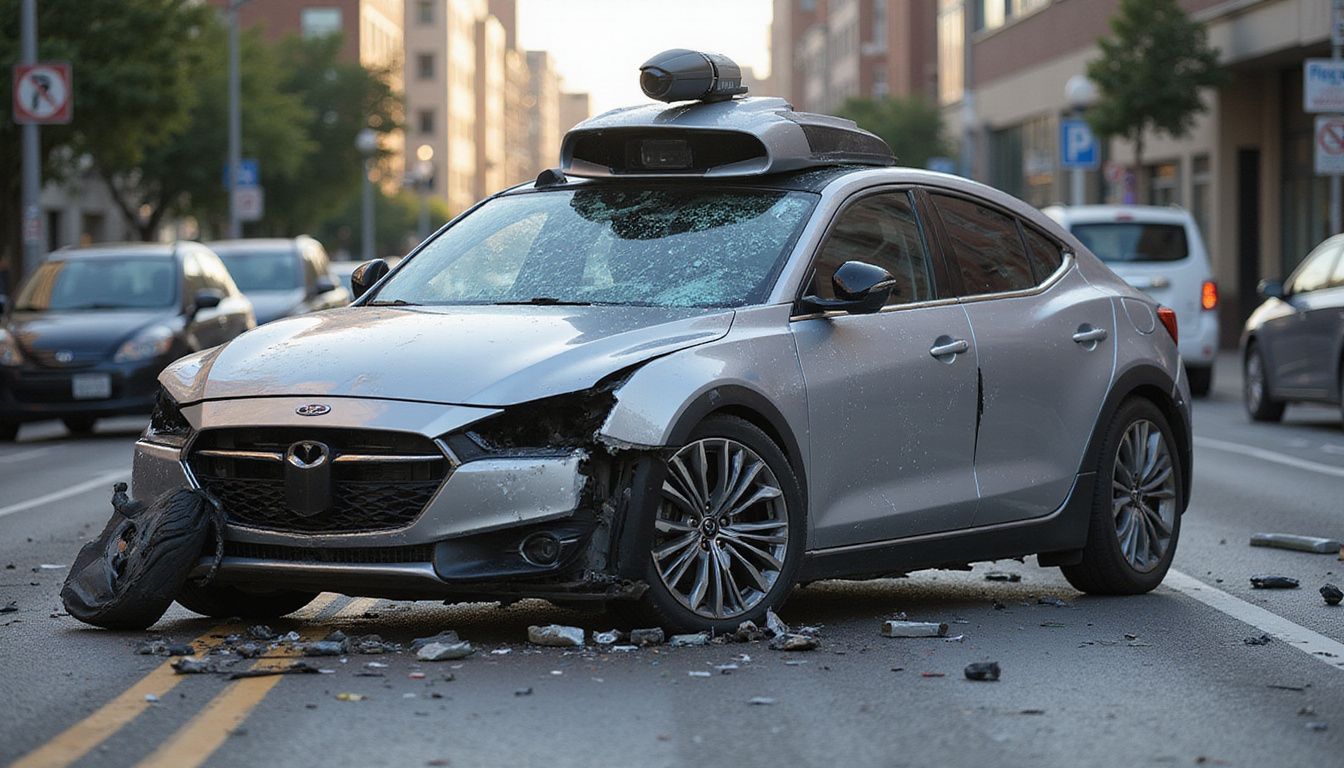
Self-driving car lawsuits face many legal challenges. Determining liability in these cases complicates matters, as multiple parties can share responsibility for accidents.
Determining liability in autonomous vehicle accidents
Determining liability in autonomous vehicle accidents involves many factors. A blended responsibility model often applies, as seen in famous crashes involving semi-autonomous technology like Tesla’s Autopilot.
Courts review evidence to see if driver negligence or system failure played a bigger role. Technical data from black boxes and software logs help clarify causes.
Both manufacturers and drivers may share legal responsibility for an accident involving vehicle automation. If a malfunction in the autonomous technology caused the incident, courts can hold automakers or software developers liable.
If human error contributed—such as not taking control when prompted—the driver might face partial blame under current legal frameworks. This shared approach impacts insurance implications and pushes everyone involved to prioritize safety and compliance with evolving laws.
Understanding shared liability: Driver, manufacturer, and software
After courts and insurers look at who might be responsible in an autonomous vehicle accident, shared liability enters the discussion. Modern self-driving car crashes rarely have a single party at fault.
Drivers must still stay alert unless a car is fully autonomous. If a driver ignores warnings or misuses the technology, that person may face legal responsibility for negligence.
Manufacturers often shoulder liability if hardware defects lead to failure. Software developers can also get blamed when code errors cause accidents. Black box data, crash logs, and police reports help investigators decide if human error or system faults led to the crash.
Insurance companies sometimes push low compensation offers on victims while trying to avoid higher payouts linked to unclear fault between software and human behavior. The rise of advanced vehicles shifts more claims against companies instead of drivers as full automation becomes reality in 2024 and beyond.
This shift transforms how policies set premiums and measure risk across all parties involved in future compensation cases.
Common Causes of Self-Driving Car Accidents
Software glitches often lead to unexpected behavior in self-driving cars. Sensor failures can prevent vehicles from detecting obstacles, resulting in accidents.
Software and system malfunctions
Glitches in vehicle software and system failures cause many self-driving car accidents. For example, if an update to autonomous technology creates a bug or a sensor malfunction occurs, the vehicle can make dangerous decisions on the road.
Accessing black box data becomes vital during incident investigation because it helps experts identify accident causation linked with these malfunctions.
“Hacking risks add another layer of liability for tech firms working on autonomous vehicles.”
Cybersecurity threats like hacking could let outsiders take control of a car and endanger lives. Manufacturers face growing pressure to maintain secure systems since each cyberattack raises new questions about responsibility and legal liability in these high-tech cases.
Sensor or hardware failures
Sensor failures and software glitches often lead to significant accidents in self-driving cars. These issues undermine the vehicle’s ability to operate safely, causing crashes that could have been avoided.
Vehicle data becomes crucial for determining accident causes related to hardware problems. Assessments of liability may involve evaluating whether the AI system behind a crash is defective.
Manufacturers face accountability for faulty products linked to sensor failures in their autonomous vehicles. As technology evolves, full autonomy shifts liability from drivers to manufacturers and software providers concerning these hardware issues.
Technology experts increasingly support legal strategies surrounding these challenges, ensuring proper handling of complex cases involving sensor malfunctions and safety risks. Human oversight remains essential even as automation advances, highlighting that mistakes can occur without careful monitoring in autonomous operations.
Human oversight in autonomous operations
Failures in sensors or hardware can lead to serious accidents. Human oversight plays a vital role in preventing these incidents. It ensures that responsibilities are clearly defined among all parties involved.
Drivers, manufacturers, and software developers must collaborate for effective risk management.
Active human intervention can address shared responsibility when accidents occur due to driver negligence or system failures. Ethical considerations highlight the importance of accountability throughout the autonomous vehicle industry.
Legal revisions also emphasize the need for clear liability frameworks that involve human oversight as technology continues to evolve.
Liability in Ride-Share Autonomous Vehicle Accidents
Ride-share companies face significant liability when autonomous vehicles are involved in accidents. Determining who is responsible can become complicated, as it may depend on the roles of backup drivers and manufacturers.
Backup driver accountability
Backup drivers in autonomous vehicles carry significant responsibility. They can be held liable for accidents that occur while they supervise the vehicle. Determining this liability often depends on critical data, such as black box information and software logs.
Legal discussions indicate a shared responsibility model; both driver negligence and system failures play vital roles in these cases.
Victims of accidents face challenges due to complicated liability issues. Insurers frequently offer low settlements, complicating recovery for those harmed. As technology progresses, legal strategies evolve too.
Personal injury attorneys increasingly collaborate with tech experts to address these challenges effectively. Accountability will likely shift more towards manufacturers and software providers as autonomous vehicles become common on our roads.
Company liability vs. manufacturer liability
Company liability and manufacturer liability both play crucial roles in autonomous vehicle accidents. Ride-share companies may bear responsibility when driver negligence contributes to an accident.
If a system failure leads to a crash, manufacturers often face legal claims, particularly if the AI system is deemed defective.
Establishing liability hinges on solid evidence, including black box data and software logs from vehicles. Legal experts now incorporate technology specialists to address these complex cases effectively.
As automation increases, lawmakers will likely shift more liability onto manufacturers and software developers for their products’ flaws or defects.
Steps to Take After an Autonomous Vehicle Accident
After an autonomous vehicle accident, gather all relevant evidence promptly. Collect black box data, police reports, and witness statements to support your case effectively.
Gathering evidence: Black box data, police reports, and witness statements
Gathering strong evidence plays a crucial role after an autonomous vehicle accident. Victims must collect relevant information to establish liability effectively.
- Black box data logs the vehicle’s actions and decisions during the incident. This data offers insights into what occurred at the moment of the crash.
- Software logs track system performance and functionality prior to an accident. Analyzing these logs can reveal potential software malfunctions that contributed to the crash.
- Police reports document the circumstances surrounding the accident. Officers gather facts on site, providing vital information for any legal proceedings.
- Witness statements provide personal accounts from those who observed the events leading up to the accident. These narratives can clarify critical aspects of what happened.
- Gathering all these forms of evidence strengthens claims against negligent parties. A comprehensive investigation helps in building a robust case for liability agreements or claims.
- Consulting with legal experts ensures proper handling of collected evidence and adherence to applicable laws regarding autonomous technology.
- Documentation is key in demonstrating negligence; thorough records increase chances of successful resolutions in court or settlements.
Collecting evidence swiftly and accurately forms a solid foundation for pursuing justice after an autonomous vehicle accident.
Consulting with legal experts on autonomous vehicle laws
Consulting legal experts on autonomous vehicle laws is essential after an accident. Their guidance can help victims understand their rights and manage the details of liability.
- Legal experts provide clarity on liability issues in self-driving car accidents. They explain how multiple parties, such as backup drivers and manufacturers, can share responsibility.
- Victims often face challenges in proving negligence and securing fair compensation. Experienced attorneys assist in building strong cases to overcome these obstacles.
- Access to vital data, like black box information, is crucial for determining fault in these accidents. Lawyers use this data effectively to support clients’ claims.
- Understanding changing regulations is important for victims seeking justice. Legal representation keeps individuals informed about new laws that affect their cases.
- A skilled attorney will analyze the specifics of each case thoroughly. This analysis helps identify potential defendants and strengthens claims against them.
- Expert legal representation empowers victims to negotiate better settlements with insurance companies. Attorneys leverage their knowledge to advocate for fair compensation.
- Taking immediate legal action can prevent complications down the line. Consulting promptly with a knowledgeable lawyer ensures that victims protect their rights from the start.
- Many individuals fail to realize the importance of specialized legal advice in autonomous vehicle incidents. The right expert provides insights that improve a case’s success rate.
- Having a seasoned attorney can also minimize emotional stress during recovery periods post-accident. Legal professionals handle negotiations and communications on behalf of clients.
- Victims are more likely to achieve favorable outcomes when they engage legal expertise early on in the process. Taking proactive steps after an accident clears the way for successful resolution.
The Future of Liability in Autonomous Vehicle Accidents
The legal landscape for autonomous vehicle accidents will shift as technology advances. New laws and regulations will shape how liability is assigned, impacting manufacturers, drivers, and insurance companies alike.
Impacts of evolving laws and regulations
Evolving laws and regulations significantly influence liability in autonomous vehicle accidents. Legal frameworks must adapt to ensure manufacturers and software providers take greater responsibility as full autonomy develops.
Current models emphasize shared responsibility between driver negligence and system failures for semi-autonomous vehicles. Increased access to vehicle data, such as black box information, plays a vital role in determining causation during these incidents.
Technology experts are becoming crucial for developing effective legal strategies in cases involving artificial intelligence-driven accidents. Ethical concerns also arise regarding accountability within the autonomous vehicle sector; studies reveal that debates about liability remain at the forefront of discussions among lawmakers and industry leaders.
As laws transform, they will shape how society addresses accountability within this rapidly changing field.
The role of insurance companies in settling claims
The shifting landscape of liability impacts how insurance companies handle claims. Insurance companies often propose low settlement amounts for claims linked to autonomous vehicle accidents.
Victims frequently struggle to prove negligence, which complicates their interactions with these insurers. Strong evidence becomes crucial in supporting victims’ claims against insurance firms.
Black box data and witness statements provide valuable information needed to strengthen cases.
As self-driving technology advances, existing insurance models must adapt. These modifications will address the challenges of assigning liability in accidents involving autonomous vehicles.
The transition from “driver error” to “AI error” necessitates new legal frameworks that reflect this change. Insurers must keep pace with advancing technologies and adjust their practices accordingly to ensure fair settlements for all parties involved.
Conclusion
Self-driving car lawsuits shape the future of liability. These cases challenge our understanding of responsibility in accidents. As technology advances, new legal frameworks must emerge.
Consumers need protection and clarity from manufacturers and software developers. Strong legal representation will play a vital role in managing this changing landscape.
For more information on how technology is shaping legal landscapes, explore our coverage on e-cigarette class action lawsuits and consumer health risks.
FAQs
1. What are the main legal issues surrounding self-driving car lawsuits?
Self-driving car lawsuits often focus on liability and responsibility when accidents occur. Determining who is at fault can be complicated, especially with autonomous vehicles involved.
2. How does liability work for autonomous vehicle accidents?
Liability in autonomous vehicle accidents depends on various factors. These include whether the technology malfunctioned or if human error played a role in the incident.
3. What impact do these lawsuits have on the future of self-driving cars?
These lawsuits shape regulations and safety standards for self-driving cars. They help define how companies will be held accountable, influencing public trust and adoption of this technology.
4. Why should consumers care about self-driving car laws?
Understanding self-driving car laws is crucial for consumers as it affects their safety and rights. Knowledge of these regulations helps them make informed decisions about using or purchasing autonomous vehicles.